





Non-conformance report
A non-conformance report (NCR sometimes referred to as a non-conformity report) is a formal document used to identify, record, and address instances where work, materials, or processes do not meet the specified requirements or standards. It serves as a crucial tool for maintaining quality control and ensuring that construction projects comply with contractual, regulatory, and industry standards.
The primary purpose of an NCR is to document any deviation from the agreed standards, specifications, or contractual requirements. It ensures that non-conforming work is identified, assessed, and corrected to prevent recurrence and to maintain the overall quality of the project.
For example, NCRs might be required:
- When materials delivered to the site do not meet the required specifications or are damaged.
- If the work carried out does not meet the quality standards set out in the project specifications.
- If there are deviations from approved construction methods or procedures.
- Breaches of health and safety regulations or practices.
An NCR might include:
- A detailed explanation of the issue, including what was found to be non-compliant.
- The standards, specifications, or drawings that the work should have conformed to.
- Information about where and when the non-conformance was identified.
- The party responsible for the non-conformance.
- Suggested actions to correct the non-conformance.
- Review and approval by relevant parties, such as the project manager, quality control officer, or site engineer.
The NCR is reviewed by the appropriate authority to determine the severity and impact, and actions are proposed and implemented to rectify the non-conformance. The corrective actions are then reviewed to ensure they have been effective in resolving the issue, and the NCR is then formally closed.
NCRs are vital for maintaining high standards of quality on construction projects. They help to manage and mitigate risks associated with non-compliance and provide a record of issues that can be analysed to improve processes and prevent future non-conformances. They ensure that there is a clear record of issues and corrective actions, promoting accountability within the project team and, helping ensure the successful and compliant delivery of construction projects.
[edit] Related articles on Designing Buildings
- Backlog.
- Burn down chart.
- Commissioning.
- De minimis.
- Defects.
- Defects liability period.
- Defects list.
- Defective Premises - Liability and Measure of Damages.
- Defective Premises Act.
- Final certificate.
- Practical completion.
- Punch list.
- Schedule of defects.
- Site inspection.
- Snagging.
- Work-to-complete list.
Featured articles
Check out some of the best features and news from Designing Buildings as well as key stories from around the web.

The heritage of nuclear and conventional power stations.
New measures to stop people being ripped off

Government to protect families from cowboy builders and aggressive bailiffs.

New Futurebuild showcase brings an innovation-first approach.
National Planning Policy Framework
Understanding the 2026 changes.
ECA's public affairs priorities

Member consultation opens to shape priorities for 2027 to 2030.

Dutyholder responsibilities from 1 July 2026.
Where performance meets practice

The Building Envelope Stage at UKCW Birmingham.
CIAT publishes briefing on planning reforms.
Leaders in Learning for Practice Network

Call for conservation leaders in learning to register interest in new network.
The importance of early engagement
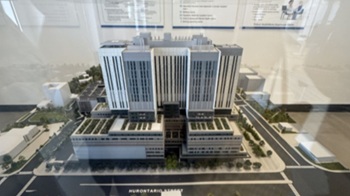
Construction lessons from the Trillium HealthWorks Experience Centre.
Mayors are to be given planning call in powers
Mayors across England will be able to make the most important planning decisions.
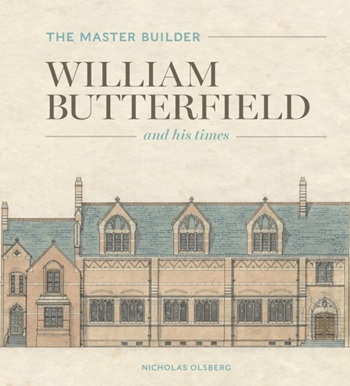
The Master Builder: William Butterfield and his times. Book review.